Luxury Living: Features Every Modern Home Should Have
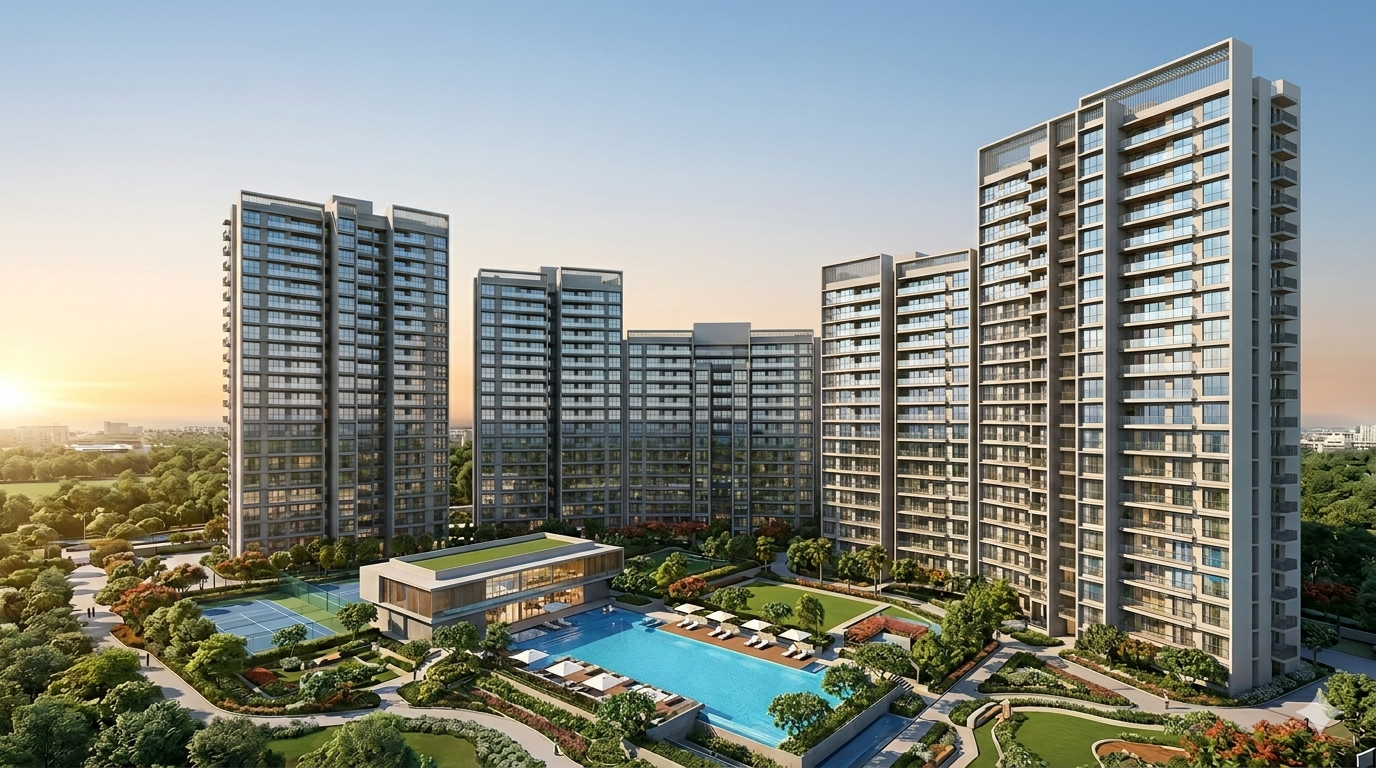
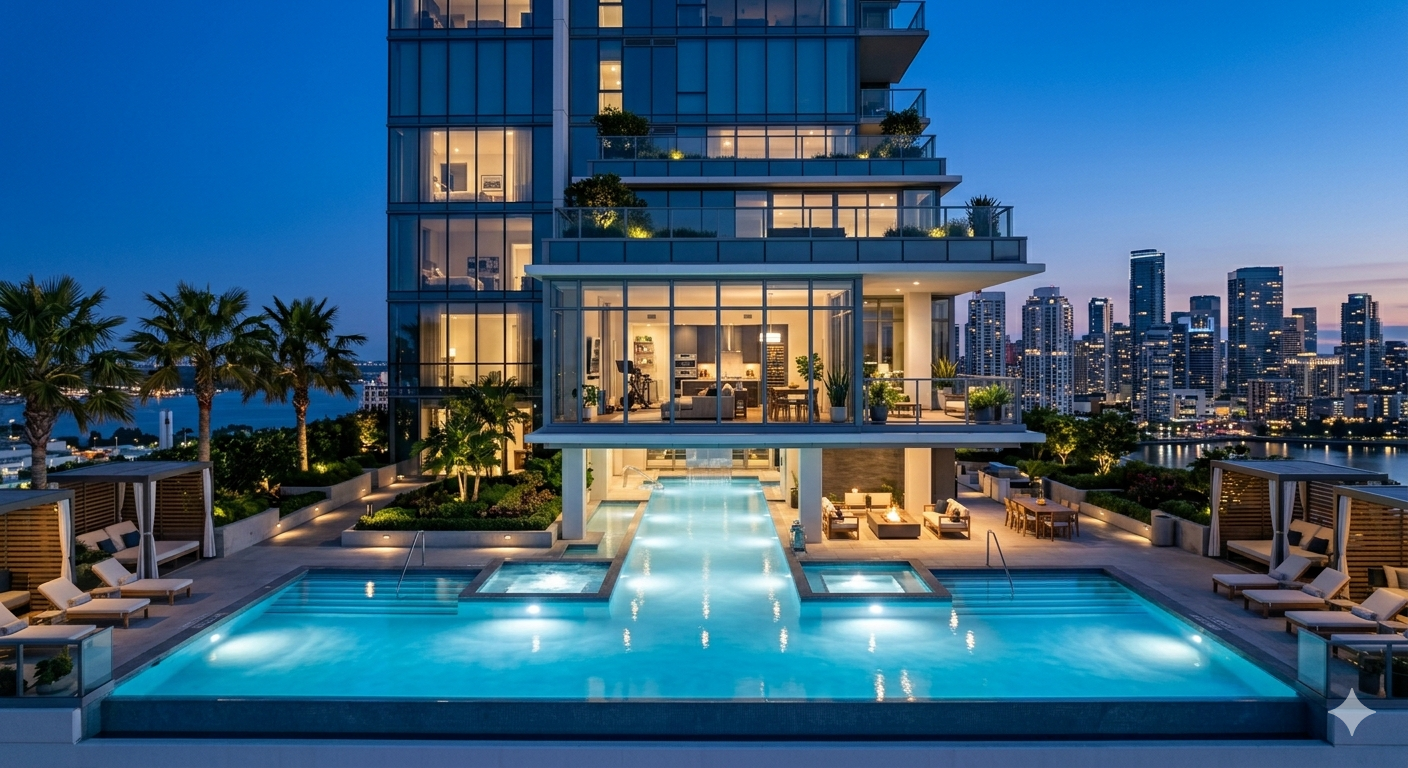
Luxury living has evolved significantly over the years. Modern homeowners are no longer looking for just a beautiful house; they seek a complete lifestyle experience that combines comfort, convenience, technology, security, and elegance. Today’s luxury homes are designed to enhance everyday living while reflecting the personal style and aspirations of their owners. Whether you are purchasing a premium apartment, an independent villa, or planning to build your dream home, understanding the features that define modern luxury living can help you make better decisions. From smart home technology and sustainable design to wellness amenities and sophisticated interiors, modern luxury homes offer a perfect blend of functionality and exclusivity. In this guide, we explore the essential features every modern luxury home should have and why these elements are becoming increasingly important in contemporary real estate. Smart Home Automation Technology has become a defining feature of modern luxury homes. Smart home systems allow homeowners to control various functions through smartphones, tablets, or voice commands. Popular smart home features include: These technologies provide greater convenience, energy efficiency, and security while creating a seamless living experience. As technology continues to advance, smart automation is quickly becoming a standard expectation in luxury real estate. Spacious Open Floor Plans Modern luxury homes prioritize space and openness. Open floor plans create a sense of freedom and improve the flow between living areas. Benefits of open layouts include: Large living rooms, dining areas, and kitchens connected within a unified space create a welcoming environment for families and guests. Open-concept designs also make homes feel larger and more sophisticated. Premium Interior Design and Finishes Luxury homes are distinguished by high-quality materials and exceptional craftsmanship. Premium interior features often include: Attention to detail is a hallmark of luxury design. Every element, from flooring to ceiling finishes, contributes to the overall aesthetic appeal and value of the property. Elegant interiors create a refined atmosphere that enhances daily living. Modern Gourmet Kitchens The kitchen has become one of the most important spaces in a modern home. Luxury kitchens typically feature: These kitchens combine functionality with style, making them ideal for both cooking and entertaining. Modern homeowners increasingly view the kitchen as a central gathering space within the home. Wellness and Fitness Amenities Health and wellness have become major priorities in luxury living. Many modern homes now incorporate wellness-focused features such as: Residential communities often provide additional amenities including: These facilities support healthy lifestyles and improve overall well-being. Luxury living today extends beyond aesthetics to include physical and mental wellness. Energy Efficiency and Sustainability Sustainable design is becoming increasingly important in premium residential developments. Eco-friendly features commonly found in luxury homes include: These solutions reduce environmental impact while lowering utility costs. Many homebuyers now seek properties that combine luxury with responsible environmental practices. Sustainability has become an important aspect of modern luxury living. Advanced Security Systems Safety is a top priority for homeowners, especially in premium residential properties. Modern luxury homes often include: Gated communities may also offer: Advanced security features provide peace of mind and protect residents and their property. Private Outdoor Spaces Outdoor living has become an essential part of luxury home design. Desirable outdoor features include: These areas provide opportunities for relaxation, recreation, and social gatherings. A well-designed outdoor environment extends the living space and enhances the overall lifestyle experience. Dedicated Home Office Spaces The rise of remote and hybrid work has increased demand for home office spaces. Modern luxury homes often include: A dedicated workspace improves productivity and supports work-life balance. Home offices have become a valuable feature for professionals and entrepreneurs. Ample Storage Solutions Luxury living involves maintaining organized and clutter-free spaces. Premium homes often include: Efficient storage enhances functionality while preserving the elegance of interior spaces. Well-planned storage solutions contribute significantly to daily comfort and convenience. High-End Entertainment Features Modern homeowners increasingly seek entertainment options within their residences. Popular luxury entertainment features include: These spaces create memorable experiences for family and guests while enhancing the property’s appeal. Entertainment-focused design has become a key aspect of luxury living. Community Amenities in Luxury Developments Luxury living extends beyond the home itself. Premium residential communities often provide world-class amenities. Common community features include: These amenities encourage social interaction and contribute to a vibrant lifestyle. Well-designed communities provide a comprehensive living experience that appeals to modern families. Location and Accessibility Even the most luxurious home benefits from being located in a prime area. Premium locations typically offer: A desirable location enhances both quality of life and long-term property appreciation. Location remains one of the most important factors influencing luxury real estate value. Future-Ready Design Luxury homes should be designed to meet future needs and technological advancements. Future-ready features include: Homes that adapt to changing lifestyles and emerging technologies maintain their relevance and value over time. Investing in future-ready design ensures long-term comfort and market appeal. Conclusion Luxury living is no longer defined solely by size or appearance. Today’s modern luxury homes combine technology, sustainability, wellness, security, convenience, and sophisticated design to create exceptional living experiences. Smart automation, premium interiors, energy efficiency, wellness amenities, private outdoor spaces, and future-ready features have become essential components of modern luxury real estate. Whether you are searching for a luxury apartment, a premium villa, or your dream family home, focusing on these features can help you identify properties that offer true long-term value and comfort. A thoughtfully designed luxury home not only enhances your lifestyle but also serves as a valuable investment for the future.