Uncategorized

Complete Guide to Choosing the Perfect Family Home

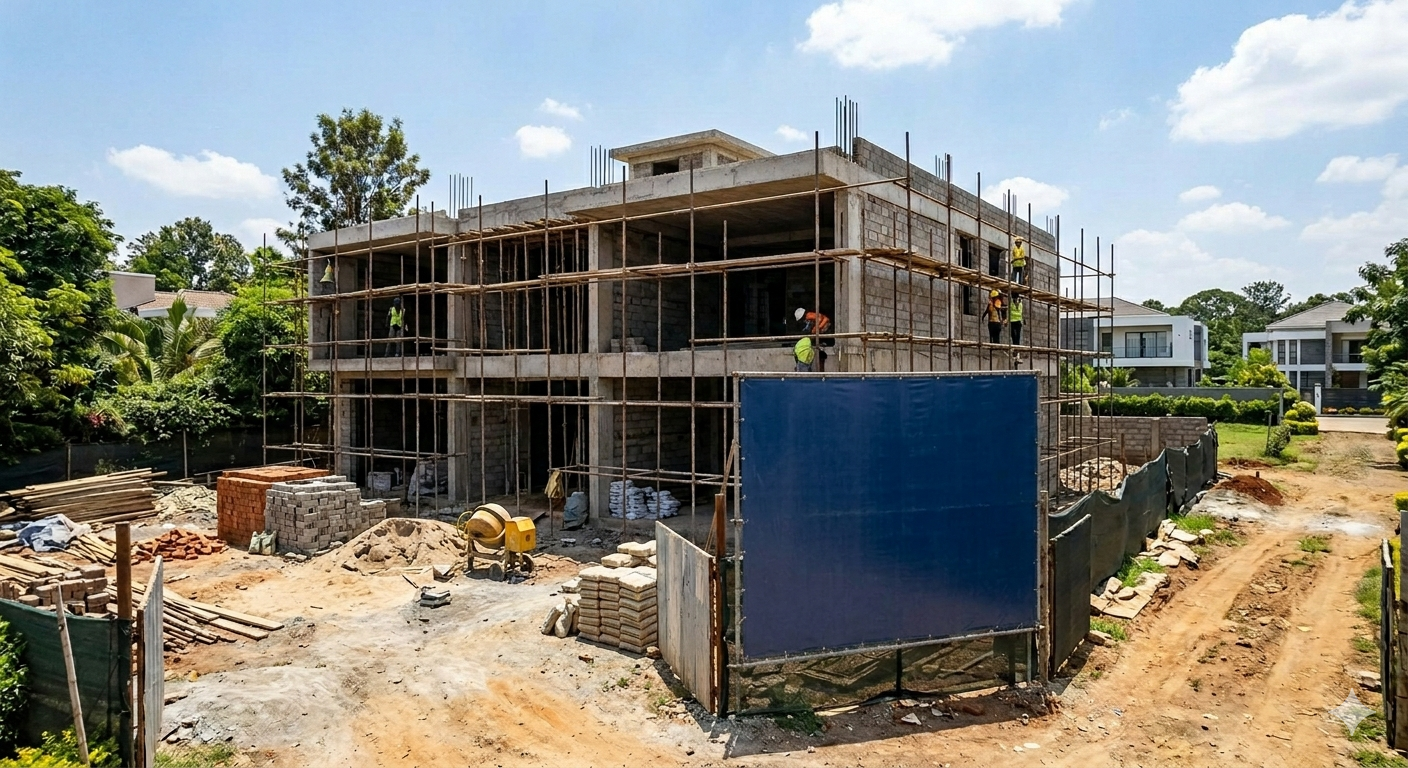
Introduction Choosing the perfect family home is one of the most important decisions a person can make. A home is more than just a building; it is a place where families create memories, build relationships, and establish a foundation for the future. Whether you are purchasing your first home or upgrading to accommodate a growing family, selecting the right property requires careful planning and consideration. With numerous options available in today’s real estate market, finding a home that meets your family’s needs can seem overwhelming. Factors such as location, safety, accessibility, amenities, and future development all play a crucial role in determining whether a property is the right fit. A well-chosen family home not only provides comfort and convenience but also serves as a valuable long-term investment. This guide explores the key factors every family should consider before making a home-buying decision. Safety and Security One of the most important factors when selecting a family home is safety. Every homeowner wants to ensure that their family lives in a secure and peaceful environment. When evaluating a neighborhood, consider the following: Crime Rate Research the area’s crime statistics and safety records. Neighborhoods with lower crime rates generally provide a more comfortable living experience and better property value retention. Gated Communities Properties located within gated communities often offer enhanced security features, including controlled access, surveillance systems, and security personnel. Emergency Services Ensure that hospitals, police stations, and fire departments are located nearby. Quick access to emergency services can be extremely important during unexpected situations. Child-Friendly Environment Families with children should look for neighborhoods that offer safe walking areas, parks, playgrounds, and low-traffic streets. Choosing a safe community provides peace of mind and contributes significantly to your family’s overall well-being. Connectivity and Transportation Connectivity plays a major role in everyday convenience and quality of life. A well-connected home reduces travel time and improves access to essential services. Road Connectivity Look for properties with easy access to major roads and highways. Good road infrastructure ensures smooth commuting and increases property demand. Public Transportation Proximity to metro stations, bus stops, and railway stations can save time and reduce transportation costs. Workplace Accessibility Consider the distance between your home and workplace. Long commutes can affect work-life balance and increase daily stress. Airport Access For professionals who travel frequently, proximity to airports can be a valuable advantage. A home with excellent connectivity offers convenience while also contributing to future property appreciation. Schools and Educational Institutions For families with children, access to quality educational institutions is often a top priority. Living near reputable schools can improve educational opportunities while reducing travel time for students. Quality Schools Research nearby schools, colleges, and educational facilities. Consider their reputation, academic performance, and extracurricular offerings. Reduced Commute Time Shorter travel distances help children spend more time studying, participating in activities, and enjoying family time. Future Convenience Even if you do not currently have school-aged children, purchasing a property near educational institutions can enhance future resale value. Properties located near top schools are often in high demand among families, making them attractive investments. Healthcare Facilities Access to quality healthcare is another critical consideration when choosing a family home. Nearby Hospitals Ensure that hospitals and medical centers are easily accessible in case of emergencies. Specialized Medical Services Families with elderly members may benefit from proximity to specialized healthcare facilities and clinics. Pharmacies and Diagnostic Centers Having essential healthcare services nearby improves convenience and provides additional peace of mind. A neighborhood with strong healthcare infrastructure contributes to a healthier and more secure lifestyle. Community Amenities Modern homebuyers increasingly seek communities that offer lifestyle-enhancing amenities. These features improve quality of life and create a more enjoyable living environment. Parks and Green Spaces Green spaces promote physical activity, relaxation, and community interaction. Children’s Play Areas Safe and engaging play areas support child development and social interaction. Fitness Facilities Gyms, jogging tracks, and sports facilities encourage healthy living. Community Centers Clubhouses and community halls provide opportunities for social gatherings and recreational activities. Shopping and Entertainment Access to supermarkets, restaurants, shopping centers, and entertainment venues adds convenience to daily life. Homes located within amenity-rich communities often attract higher demand and maintain stronger property values. Space Planning and Home Layout The size and layout of a home directly affect comfort and functionality. Number of Bedrooms Choose a property that accommodates your current family size while allowing room for future growth. Living Areas Spacious living rooms and dining areas encourage family interaction and entertaining guests. Storage Space Adequate storage solutions help maintain an organized and clutter-free home. Natural Lighting and Ventilation Homes with good natural light and airflow create a healthier and more comfortable living environment. A thoughtfully designed home enhances everyday living and supports long-term family needs. Future Development Plans When purchasing a family home, it is important to consider the future growth potential of the area. Infrastructure Projects Upcoming metro lines, highways, flyovers, and commercial developments can significantly increase property values. Employment Opportunities Areas experiencing economic growth often attract new residents and businesses, boosting demand for housing. Urban Expansion Emerging residential zones frequently offer strong appreciation potential as cities continue to expand. Government Initiatives Government investments in infrastructure and public services can positively impact long-term property performance. Understanding future development plans helps buyers make informed decisions and maximize investment returns. Budget and Financial Planning Financial planning is a crucial aspect of choosing the perfect family home. Define Your Budget Establish a realistic budget based on income, savings, and financing options. Consider Additional Costs Remember to account for: Home Loan Planning Evaluate loan eligibility and ensure monthly repayments remain manageable within your household budget. A well-planned budget helps families avoid financial strain and enjoy homeownership comfortably. Resale and Investment Potential Even if you plan to live in the home for many years, it is wise to evaluate its future resale value. Properties with strong connectivity, quality infrastructure, good schools, and growing demand typically perform better in the market. Choosing a home with strong investment potential ensures long-term financial benefits.

Complete Guide to Choosing the Perfect Family Home Read More »

Why Real Estate is the Best Long-Term Investment

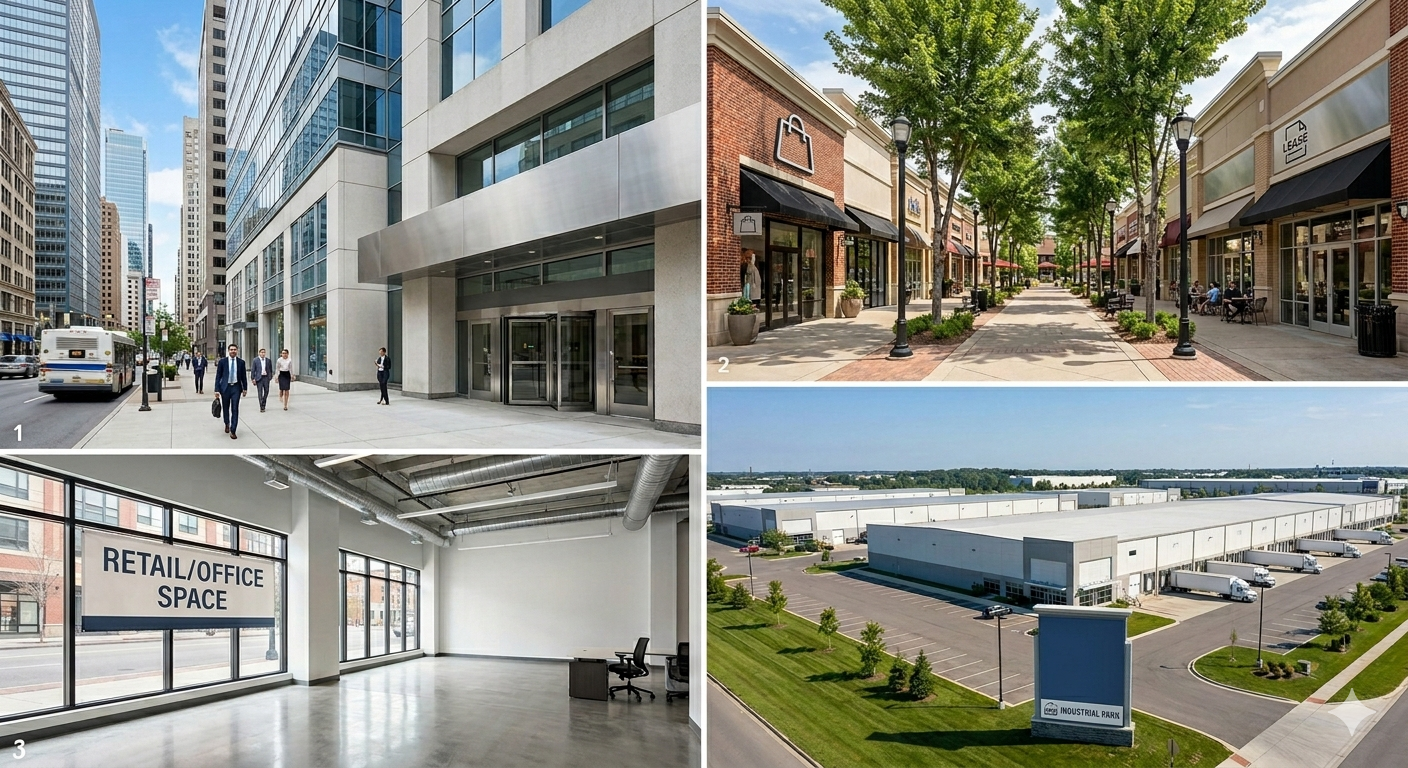
Introduction Investing is one of the most effective ways to build wealth and achieve financial security. While there are numerous investment options available, including stocks, mutual funds, bonds, and cryptocurrencies, real estate continues to be one of the most reliable and rewarding long-term investments. For generations, real estate has been a preferred asset class because of its ability to generate consistent returns, provide financial stability, and create long-term wealth. Unlike many other investments that can be highly volatile, real estate offers tangible value and multiple avenues for income generation. Whether you are purchasing a residential property, commercial space, rental apartment, or investment plot, real estate has the potential to deliver significant financial benefits over time. This article explores why real estate remains one of the best long-term investment options and how it can help investors achieve their financial goals. Wealth Generation Through Asset Appreciation One of the primary reasons people invest in real estate is the potential for property appreciation. Over time, property values tend to increase due to factors such as urban development, population growth, infrastructure improvements, and economic expansion. When you purchase a property in a growing area, its market value often rises significantly over the years. This appreciation enables investors to build wealth without actively managing their investment on a daily basis. For example, areas that experience new highways, metro connectivity, business hubs, and educational institutions often witness rapid growth in property values. Investors who enter these markets early can benefit from substantial appreciation over the long term. Unlike depreciating assets such as vehicles, real estate generally becomes more valuable over time, making it an effective wealth-building tool. Rental Income Creates Passive Cash Flow Another major advantage of real estate investing is the ability to generate passive income through rentals. Residential apartments, villas, office spaces, retail outlets, and commercial properties can provide a steady stream of monthly income. Rental income offers several benefits: As rental demand continues to grow in urban areas, property owners can benefit from increasing rental yields over time. Rental income not only covers maintenance expenses and loan repayments but can also generate positive cash flow. For many investors, rental properties serve as a reliable source of long-term financial stability and retirement income. Portfolio Diversification Diversification is a key principle of successful investing. Relying entirely on one asset class can increase financial risk. Real estate provides an excellent way to diversify an investment portfolio and reduce overall exposure to market volatility. Stock markets can experience significant fluctuations due to economic conditions, political events, and investor sentiment. Real estate, on the other hand, tends to be more stable and less susceptible to short-term market movements. By including real estate alongside stocks, mutual funds, and other investments, investors can create a balanced portfolio that offers both growth and stability. Diversification helps protect wealth during uncertain economic periods and improves long-term financial resilience. Tax Benefits for Property Owners Real estate investments often come with attractive tax advantages that can improve overall returns. Governments in many countries provide tax incentives to encourage property ownership and investment. Common tax benefits may include: Home Loan Interest Deductions Property owners can often claim deductions on interest paid toward home loans. Principal Repayment Benefits Loan principal repayments may qualify for tax deductions under applicable regulations. Depreciation Benefits Commercial property owners can claim depreciation expenses, reducing taxable income. Capital Gains Benefits Certain tax exemptions and benefits may apply when reinvesting profits from property sales. These tax advantages can significantly improve the profitability of real estate investments and help investors retain more of their earnings. Appreciation Value Increases Over Time Appreciation value is one of the strongest reasons why real estate is considered a long-term investment. As cities expand and infrastructure improves, property demand typically rises. Several factors contribute to appreciation: Infrastructure Development New roads, airports, metro systems, and commercial centers increase property demand. Economic Growth Growing employment opportunities attract more residents and businesses. Population Growth Increasing population creates greater housing demand. Urban Expansion Emerging suburbs and growth corridors often experience rapid appreciation. Investors who purchase properties in strategically located areas can benefit from significant increases in property value over the years. Protection Against Inflation Inflation reduces the purchasing power of money over time. One of the unique advantages of real estate is its ability to act as a hedge against inflation. As inflation increases: This means real estate investments tend to maintain or even increase their value during inflationary periods, helping investors preserve their wealth. Compared to cash savings, which lose value due to inflation, real estate provides a more effective method of protecting purchasing power. Tangible and Secure Asset Unlike stocks or digital assets, real estate is a physical asset that provides intrinsic value. Investors can see, use, improve, and manage their property. This tangible nature provides several advantages: Even during market downturns, real estate retains its utility and value because people always need homes, offices, and commercial spaces. Leverage Enhances Investment Potential Real estate allows investors to use leverage through financing options such as home loans and commercial property loans. This enables individuals to acquire valuable assets without paying the full purchase price upfront. For example, an investor may purchase a property worth ₹1 crore with a smaller down payment while financing the remaining amount. As the property appreciates, the investor benefits from the growth of the entire asset value rather than just the initial investment. Leverage can significantly increase returns when used responsibly and strategically. Long-Term Financial Security Real estate provides a sense of financial stability that many other investments cannot offer. Property ownership creates a valuable asset base that can support future financial goals, including: Many successful investors build long-term wealth through real estate because it combines appreciation, rental income, tax benefits, and stability in a single investment vehicle. Conclusion Real estate continues to be one of the most effective long-term investment options for individuals seeking financial growth, stability, and wealth creation. Through property appreciation, rental income, portfolio diversification, tax benefits, inflation protection, and long-term security, real estate

Why Real Estate is the Best Long-Term Investment Read More »

Top Things to Consider Before Buying a Property

Introduction Buying a property is one of the most significant financial decisions most people make in their lifetime. Whether you are purchasing your first home, upgrading to a larger residence, or investing in real estate for future returns, making the right choice requires careful planning and research. A property purchase involves substantial financial commitment and long-term responsibility, which makes it essential to evaluate various factors before making a decision. The real estate market offers numerous options, ranging from apartments and villas to plots and commercial spaces. While having multiple choices can be beneficial, it can also make the decision-making process challenging. Understanding what to look for and how to assess a property can help buyers avoid costly mistakes and make informed decisions. In this guide, we explore the most important factors to consider before buying a property, ensuring that your investment is both financially rewarding and personally satisfying. Location Analysis The location of a property is one of the most critical factors influencing its value, convenience, and future appreciation potential. A well-located property not only improves your quality of life but also increases the chances of generating strong returns on investment. When evaluating a location, consider factors such as proximity to schools, hospitals, shopping centers, public transportation, and workplaces. Easy access to essential services can significantly enhance daily convenience. Connectivity is another important aspect. Properties located near major roads, metro stations, and transportation hubs often experience higher demand and better appreciation over time. Future infrastructure developments such as highways, metro expansions, and commercial projects can also positively impact property values. Additionally, examine the neighborhood’s safety, cleanliness, and overall living environment. A secure and well-maintained area is likely to attract more buyers and tenants, making it a more valuable investment. Budget Planning Before starting your property search, it is crucial to establish a realistic budget. Understanding your financial capacity helps narrow down options and prevents overspending. Consider all expenses associated with property ownership, including: If you plan to finance your purchase through a home loan, assess your eligibility and monthly repayment capacity. Financial experts generally recommend keeping your housing expenses within a manageable percentage of your monthly income. Creating a detailed budget allows you to focus on properties that fit your financial situation while avoiding unnecessary financial stress. Builder Reputation The reputation of the builder or developer plays a significant role in determining the quality and reliability of a property project. Choosing a reputable developer reduces the risk of construction delays, legal complications, and quality issues. Before investing, research the builder’s track record by reviewing: Visiting completed projects can provide valuable insights into the builder’s workmanship and commitment to quality. A developer with a history of successful projects is generally a safer choice than an unknown or inexperienced builder. Legal Verification Legal verification is one of the most important steps in the property-buying process. Failing to verify legal documents can result in disputes, ownership issues, or financial losses. Ensure that the property has: Consulting a qualified legal expert can help verify all documentation and identify potential risks. Proper legal due diligence protects your investment and ensures a smooth ownership transfer process. Future Appreciation Potential Real estate is often viewed as a long-term investment. Therefore, assessing a property’s future appreciation potential is essential. Several factors influence appreciation, including: Infrastructure Development Areas experiencing infrastructure growth often witness increased property demand and higher values over time. Upcoming metro lines, highways, airports, and commercial developments can significantly boost appreciation. Economic Growth Regions with expanding industries, employment opportunities, and business investments generally experience stronger real estate demand. Population Growth Growing populations create increased housing demand, leading to higher property prices and rental yields. Urban Expansion Properties located near emerging residential and commercial zones often offer substantial appreciation potential as cities continue to expand. Investing in areas with strong development prospects can generate significant returns in the future. Evaluate Property Amenities Modern buyers increasingly value amenities that enhance comfort and convenience. When comparing properties, consider features such as: These amenities not only improve lifestyle quality but also contribute to higher resale values and rental demand. Assess Construction Quality Construction quality directly affects the property’s durability, maintenance requirements, and long-term value. Poor construction can lead to expensive repairs and safety concerns. Inspect factors such as: A thorough inspection helps identify potential issues before finalizing the purchase. Understand Resale and Rental Potential Even if you intend to live in the property, it is wise to evaluate its resale and rental potential. Circumstances may change in the future, and having a property that attracts buyers or tenants provides flexibility. Properties in prime locations with good amenities and connectivity typically perform better in resale and rental markets. Conclusion Buying a property is a major financial milestone that requires careful consideration and informed decision-making. Factors such as location, budget, builder reputation, legal verification, construction quality, and future appreciation potential play a crucial role in determining the success of your investment. Taking the time to research and evaluate these aspects can help you avoid costly mistakes and ensure that your property meets both your personal and financial goals. Whether you are purchasing a home for your family or investing for future returns, a well-planned approach can provide long-term security, comfort, and value. At GSR INFRA, we believe that informed buyers make the best decisions. By considering these essential factors, you can confidently move forward on your property-buying journey and secure an investment that supports your future aspirations.

Top Things to Consider Before Buying a Property Read More »

SPIN TO WIN!

  • Try your lucky to get discount coupon
  • 1 spin per email
  • No cheating
Try Your Lucky
Never
Remind later
No thanks