
Introduction
Buying a property is one of the most significant financial decisions most people make in their lifetime. Whether you are purchasing your first home, upgrading to a larger residence, or investing in real estate for future returns, making the right choice requires careful planning and research. A property purchase involves substantial financial commitment and long-term responsibility, which makes it essential to evaluate various factors before making a decision.
The real estate market offers numerous options, ranging from apartments and villas to plots and commercial spaces. While having multiple choices can be beneficial, it can also make the decision-making process challenging. Understanding what to look for and how to assess a property can help buyers avoid costly mistakes and make informed decisions.
In this guide, we explore the most important factors to consider before buying a property, ensuring that your investment is both financially rewarding and personally satisfying.
Location Analysis
The location of a property is one of the most critical factors influencing its value, convenience, and future appreciation potential. A well-located property not only improves your quality of life but also increases the chances of generating strong returns on investment.
When evaluating a location, consider factors such as proximity to schools, hospitals, shopping centers, public transportation, and workplaces. Easy access to essential services can significantly enhance daily convenience.
Connectivity is another important aspect. Properties located near major roads, metro stations, and transportation hubs often experience higher demand and better appreciation over time. Future infrastructure developments such as highways, metro expansions, and commercial projects can also positively impact property values.
Additionally, examine the neighborhood’s safety, cleanliness, and overall living environment. A secure and well-maintained area is likely to attract more buyers and tenants, making it a more valuable investment.

Budget Planning
Before starting your property search, it is crucial to establish a realistic budget. Understanding your financial capacity helps narrow down options and prevents overspending.
Consider all expenses associated with property ownership, including:
- Property purchase price
- Registration charges
- Stamp duty fees
- Legal expenses
- Maintenance costs
- Home loan processing fees
- Interior and furnishing expenses
If you plan to finance your purchase through a home loan, assess your eligibility and monthly repayment capacity. Financial experts generally recommend keeping your housing expenses within a manageable percentage of your monthly income.
Creating a detailed budget allows you to focus on properties that fit your financial situation while avoiding unnecessary financial stress.
Builder Reputation
The reputation of the builder or developer plays a significant role in determining the quality and reliability of a property project. Choosing a reputable developer reduces the risk of construction delays, legal complications, and quality issues.
Before investing, research the builder’s track record by reviewing:
- Previous completed projects
- Customer testimonials
- Market reputation
- Construction quality
- Delivery timelines
- Financial stability
Visiting completed projects can provide valuable insights into the builder’s workmanship and commitment to quality. A developer with a history of successful projects is generally a safer choice than an unknown or inexperienced builder.
Legal Verification
Legal verification is one of the most important steps in the property-buying process. Failing to verify legal documents can result in disputes, ownership issues, or financial losses.
Ensure that the property has:
- Clear ownership title
- Approved building plans
- Occupancy certificate
- Completion certificate
- Necessary government approvals
- No pending legal disputes
Consulting a qualified legal expert can help verify all documentation and identify potential risks. Proper legal due diligence protects your investment and ensures a smooth ownership transfer process.
Future Appreciation Potential
Real estate is often viewed as a long-term investment. Therefore, assessing a property’s future appreciation potential is essential.
Several factors influence appreciation, including:
Infrastructure Development
Areas experiencing infrastructure growth often witness increased property demand and higher values over time. Upcoming metro lines, highways, airports, and commercial developments can significantly boost appreciation.
Economic Growth
Regions with expanding industries, employment opportunities, and business investments generally experience stronger real estate demand.
Population Growth
Growing populations create increased housing demand, leading to higher property prices and rental yields.
Urban Expansion
Properties located near emerging residential and commercial zones often offer substantial appreciation potential as cities continue to expand.
Investing in areas with strong development prospects can generate significant returns in the future.
Evaluate Property Amenities
Modern buyers increasingly value amenities that enhance comfort and convenience. When comparing properties, consider features such as:
- Security systems
- Parking facilities
- Clubhouse access
- Swimming pools
- Fitness centers
- Children’s play areas
- Green spaces
These amenities not only improve lifestyle quality but also contribute to higher resale values and rental demand.
Assess Construction Quality
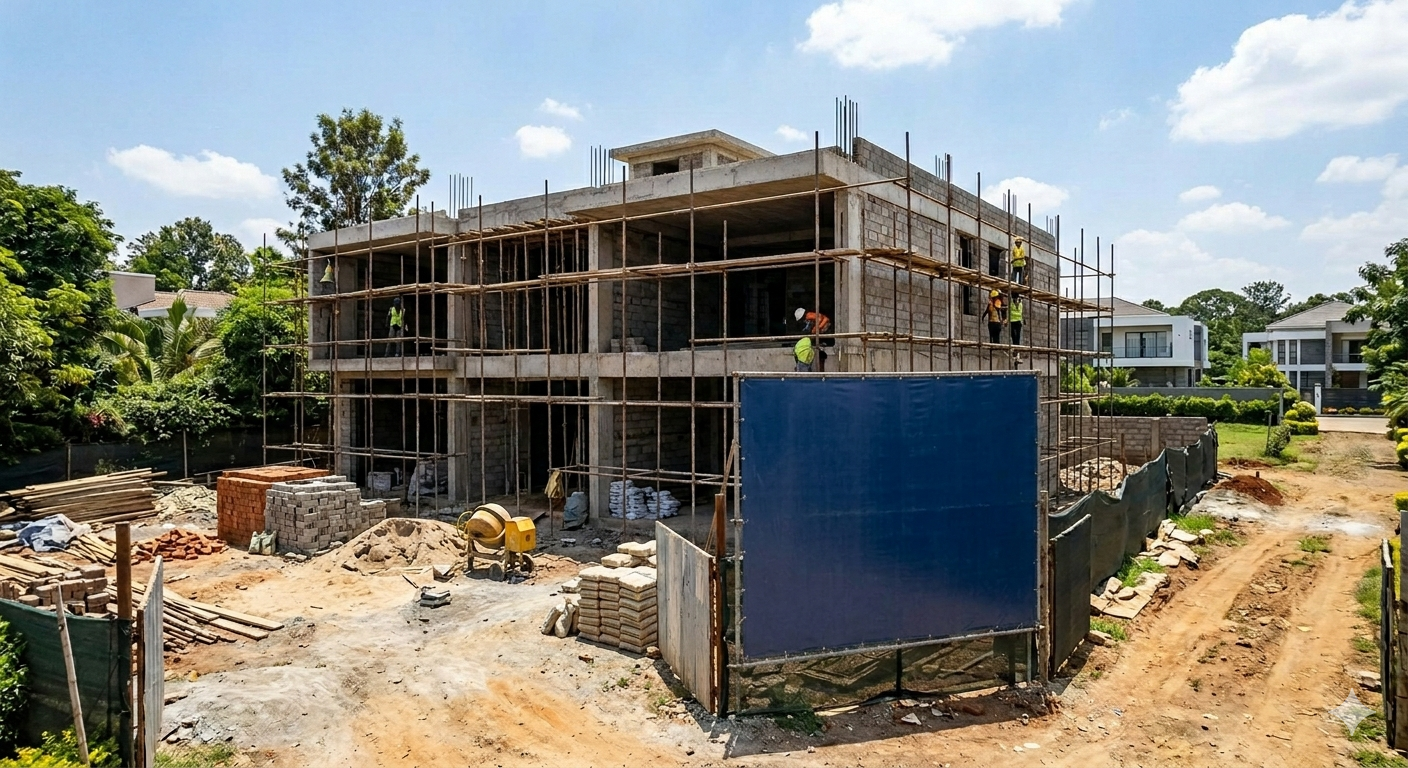
Construction quality directly affects the property’s durability, maintenance requirements, and long-term value. Poor construction can lead to expensive repairs and safety concerns.
Inspect factors such as:
- Structural quality
- Building materials
- Plumbing systems
- Electrical installations
- Ventilation and lighting
A thorough inspection helps identify potential issues before finalizing the purchase.
Understand Resale and Rental Potential
Even if you intend to live in the property, it is wise to evaluate its resale and rental potential. Circumstances may change in the future, and having a property that attracts buyers or tenants provides flexibility.
Properties in prime locations with good amenities and connectivity typically perform better in resale and rental markets.
Conclusion
Buying a property is a major financial milestone that requires careful consideration and informed decision-making. Factors such as location, budget, builder reputation, legal verification, construction quality, and future appreciation potential play a crucial role in determining the success of your investment.
Taking the time to research and evaluate these aspects can help you avoid costly mistakes and ensure that your property meets both your personal and financial goals. Whether you are purchasing a home for your family or investing for future returns, a well-planned approach can provide long-term security, comfort, and value.
At GSR INFRA, we believe that informed buyers make the best decisions. By considering these essential factors, you can confidently move forward on your property-buying journey and secure an investment that supports your future aspirations.